

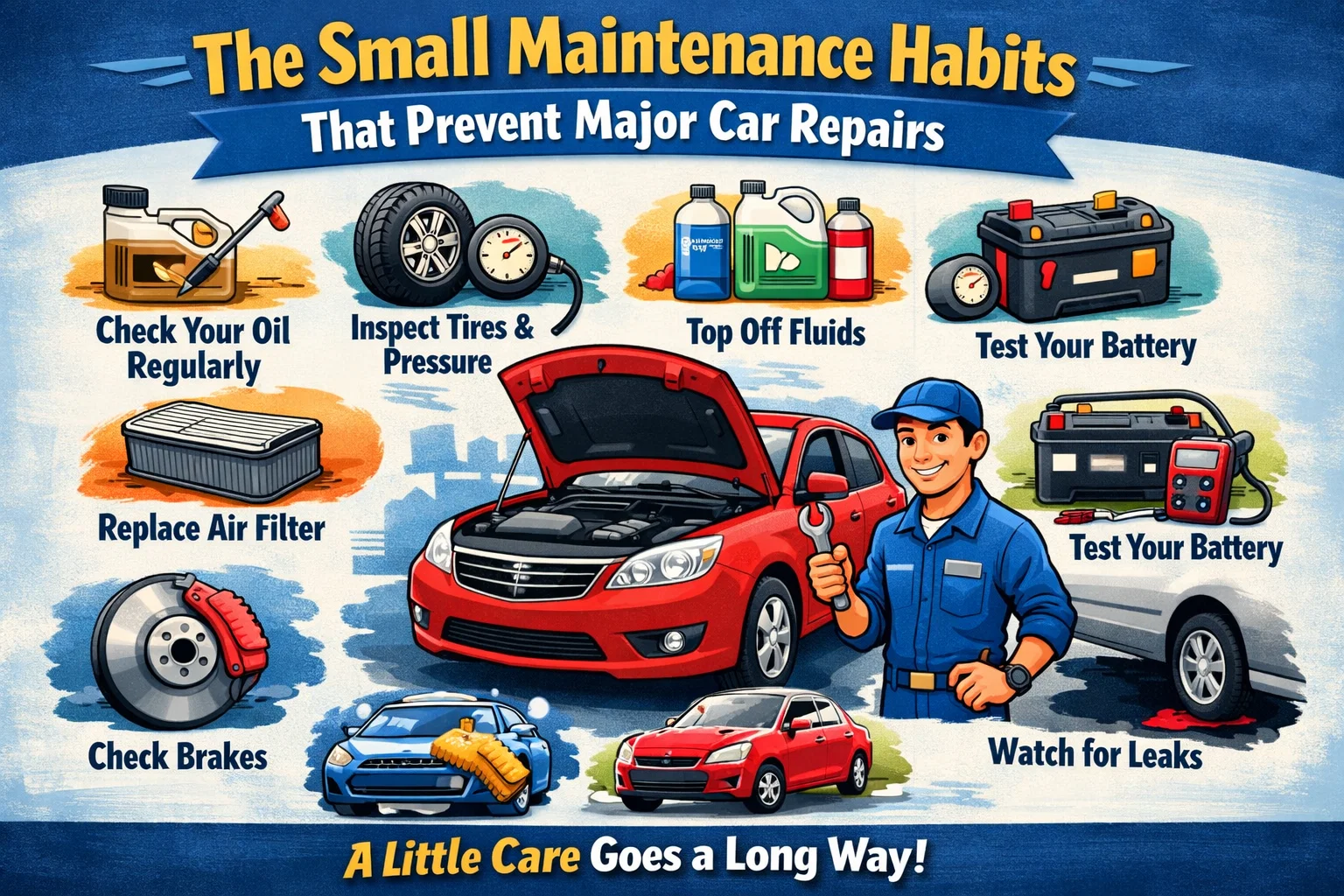
Owning a vehicle doesn’t have to mean dealing with constant repairs or unexpected breakdowns. In fact, many of the most expensive car problems can be avoided with simple, consistent maintenance habits. The key isn’t doing complicated repairs it’s paying attention to the small things before they turn into bigger issues.
Too often, drivers wait until something goes wrong before taking action. By that point, what could have been a quick and inexpensive fix may turn into a costly repair. Staying proactive with basic upkeep—and using the right parts like a regular air filter replacement can make a significant difference in how your vehicle performs over time.
Building a few simple habits into your routine can help extend the life of your car, improve performance, and save you money in the long run.
Simple Habits That Keep Your Car Running
Maintaining your vehicle doesn’t require advanced mechanical skills. Many of the most effective habits are quick, easy, and can be done regularly without much effort.
One of the simplest and most important habits is checking your fluids. Engine oil, coolant, brake fluid, and transmission fluid all play critical roles in keeping your car running smoothly. Low or dirty fluids can lead to overheating, poor performance, and long-term damage. Taking a few minutes to check levels and condition can prevent major issues.
Another essential habit is monitoring tire pressure. Properly inflated tires improve fuel efficiency, handling, and safety. Underinflated or overinflated tires wear unevenly and can lead to blowouts or reduced traction. A quick pressure check once or twice a month can go a long way.
Replacing filters regularly is another easy but impactful task. Your engine relies on clean air to operate efficiently, and a clogged filter can reduce performance and fuel economy. Staying consistent with air filter replacement ensures your engine gets the airflow it needs to function properly.
Keeping your vehicle clean both inside and out is also more important than many drivers realize. Dirt, salt, and debris can cause corrosion over time, especially in areas like the undercarriage. Regular washing and cleaning help protect your vehicle’s exterior and structural components.
It’s also important to pay attention to how your car feels and sounds. Unusual noises, vibrations, or changes in performance are often early warning signs of potential problems. Addressing these issues early can prevent them from becoming more serious.
For drivers who tow or haul, regularly inspecting equipment like your trailer hitch is crucial. Ensuring everything is secure and in good condition helps prevent accidents and equipment failure.
Finally, staying organized with maintenance schedules can make a big difference. Keeping track of oil changes, tire rotations, and other routine services ensures nothing is overlooked.
How Small Maintenance Prevents Big Costs
While these habits may seem minor, their impact over time is significant. Small maintenance efforts act as a form of prevention, reducing the likelihood of major repairs and unexpected expenses.
One of the biggest ways maintenance saves money is by catching problems early. For example, replacing a worn air filter is inexpensive, but ignoring it can lead to reduced engine efficiency and increased strain on other components. Over time, this can contribute to more serious engine issues.
Regular fluid checks also play a major role in cost prevention. Low or contaminated fluids can cause overheating, increased friction, and component failure. Addressing these issues early helps protect critical systems and avoid costly repairs.
Tire maintenance is another area where small habits pay off. Proper inflation and regular inspections extend tire life and improve fuel efficiency. This reduces the need for premature replacements and helps you get the most value out of your tires.
Preventive care also improves overall vehicle reliability. When your car is well-maintained, it’s less likely to experience unexpected breakdowns. This not only saves money but also reduces the inconvenience and stress of dealing with emergencies.
Comfort and usability are also enhanced through small upgrades and maintenance efforts. Items like car accessories can improve your driving experience while also helping keep your vehicle organized and functional. While these may not directly prevent repairs, they contribute to a more efficient and enjoyable ownership experience.
Another important benefit is preserving your vehicle’s value. A well-maintained car is more attractive to potential buyers and retains its value better over time. Keeping up with maintenance records also demonstrates that the vehicle has been properly cared for.
Ultimately, small maintenance habits create a ripple effect. Each task contributes to the overall health of your vehicle, reducing wear and tear and helping systems work together more efficiently.
Conclusion
Preventing major car repairs doesn’t require complex tools or advanced knowledge it starts with simple, consistent habits. From checking fluids and monitoring tire pressure to replacing filters and inspecting key components, these small actions can have a big impact.
By staying proactive, you can catch issues early, improve performance, and avoid costly repairs down the road. These habits not only save money but also enhance safety, reliability, and overall driving experience.
In the end, maintaining your vehicle is about consistency. The small things you do today can prevent the big problems of tomorrow, helping you keep your car running smoothly for years to come.
