

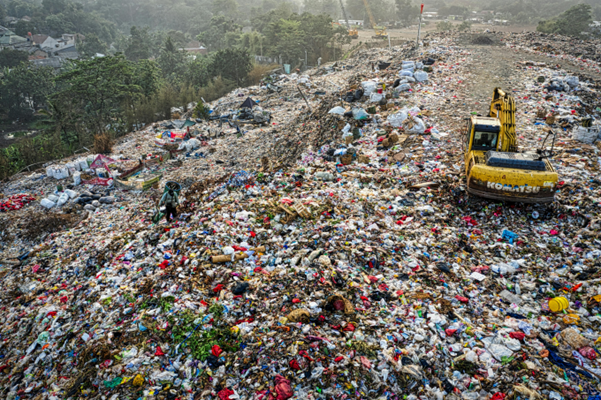
Industries around the world are working to improve sustainability by adopting cleaner processes and better waste handling practices. As environmental expectations continue to rise, companies are integrating advanced treatment technologies to minimize pollution and protect natural resources. Understanding the systems available today helps organizations choose solutions that fit their operations and support long-term environmental goals. Several modern technologies now play a central role in making industrial activity safer and more productive.
Advanced Wastewater Treatment Systems
Industrial facilities depend on water to manufacture cool, clean and process materials. This produces wastewater that contains chemicals, oils heavy metals and suspended solids. Businesses are turning to advanced treatment technologies that remove harmful substances before water is discharged to prevent the contamination of rivers, lakes and groundwater.
Membrane filtration has become a key method. It uses microfiltration, ultrafiltration or reverse osmosis to separate contaminants from water with high precision. Biological treatment systems such as aerobic and anaerobic digesters break down organic pollutants and reduce the load on the environment. In some cases, facilities combine both mechanical and biological methods to achieve higher water quality. These solutions not protect ecosystems but also allow treated water to be reused. This reduces overall consumption.
Solid Waste Conversion and Recycling Technologies
A major part of modern waste strategies has to do with turning solid waste into valuable resources. Technologies that convert waste into reusable materials help industries lower disposal costs while reducing their effect on the environment. Thermal recycling methods, including pyrolysis and gasification, transform waste into fuel synthetic gas, or other useful byproducts.
Mechanical recycling systems contribute by sorting, shredding and processing materials such as plastics, metals and glass so they can re-enter production cycles. These systems rely on automation technologies such as sensors and optical sorting machines to improve accuracy and speed. By adopting these methods, companies reduce the amount of waste sent to landfills and support broader sustainability goals. Many industries now integrate these solutions as part of industrial waste management programs that promote circular economy practices.
Air Pollution Control Technologies
Industrial operations can release particulate matter toxic gases and volatile organic compounds into the atmosphere. To control these emissions, facilities use a range of air purification technologies designed to capture pollutants before they escape into the environment.
Electrostatic precipitators attract and collect tiny particles using charged plates, while fabric filters trap dust and fine solids. Scrubber systems remove pollutants through chemical reactions or liquid absorption, which makes them effective for industries that deal with acidic gases or corrosive compounds. Catalytic oxidizers help break down harmful organic vapors into safer substances using designed catalysts. These technologies reduce air pollution levels and help companies comply with environmental standards that grow stricter over time.
Hazardous Waste Treatment and Neutralization
Some industrial processes generate hazardous byproducts that need specialized handling. Technologies to deal with hazardous waste focus on neutralization, stabilization, and safe disposal. Chemical treatment methods help convert toxic substances into less harmful forms by altering their chemical structure. Solidification and stabilization techniques bind contaminants into solid materials that are less likely to leach into soil or groundwater.
Thermal treatment methods, including high temperature incineration and plasma arc technology, break down complex hazardous compounds into simpler and safer elements. These solutions are crucial for industries such as pharmaceuticals, chemicals, and electronics manufacturing where waste materials may pose environmental or health risks. By using the right technologies, companies can reduce potential hazards and ensure safe compliant waste disposal.
Digital Monitoring and Smart Waste Systems
Digital technology now plays a major role to improve waste handling productivity. Sensors, automation tools, and data analytics platforms help industries monitor waste streams in real time and detect potential problems . Smart systems track chemical levels, emissions, water quality, and equipment performance. These systems provide detailed insights that help operators respond to issues.
Internet of Things devices collect data that can be used to optimize processes and reduce waste generation at the source. Automated controls adjust treatment operations based on changing conditions. This ensures consistent performance. These digital advancements make waste handling more reliable, transparent, and cost effective.
Conclusion
Modern technologies offer industries powerful tools to reduce pollution, conserve resources and improve overall sustainability. From advanced wastewater treatment to smart monitoring systems, these solutions help businesses manage waste more and meet the environmental expectations of today. As the development of new ideas continues industrial facilities will be able to adopt even more effective methods to protect the environment and support long-term operational success.
